

How to reflect on the past year and prepare mentally for the New Year effectively | Safe and Sound
The end of the year and the beginning of the new year, despite the stress and busyness, is also an ideal time to reflect on the past and prepare ourselves for new plans and goals. This is also a way to shape your future, improve yourself, and grow every day. In this article, the psychology experts at Safe and Sound will guide you through the specific steps to reflect on the past year and build a positive mindset to start a new year effectively.
Ngo Thi Sang | Master of Educational Psychology – Applied to Safe and Sound Mental Health Care
Institute of Applied Medical Technology
1. Why is it important to look back on the past year?
This is an opportunity to assess what has been accomplished and what has been lacking, thereby laying a solid foundation for the new year. Here are three reasons why reflecting on the past year is an important step.
1.1 Self-assessment of personal development

Self-assessment of personal development
According to psychology experts, taking time to reflect on the past year is like pausing midway through a long journey to see how far you've come and whether you're on the right track. This is a way to self-assess and realize:
- Achievements: You can identify what tasks you have completed well, what challenges you have overcome, and what goals you have achieved.
- Unfinished goals: This helps you realize why you haven't completed them – is it because the goal is too big, the method is wrong, or due to a lack of time and motivation?
- Lessons Learned: Every success or failure offers a valuable lesson. Summarizing these lessons helps you improve your ability to cope with stress and challenges in the future.
1.2 Increase appreciation for successes
In our busy lives, we often tend to chase after goals and forget to appreciate what we have already achieved. Looking back on the past year can help you:
- Recognize successes: Psychologists advise against focusing solely on big goals; remember to acknowledge small successes as well, such as maintaining an exercise routine, improving communication, or overcoming a stressful or difficult period.
- Cultivate gratitude: When you look back on good times, you'll feel grateful for your efforts, the help you received from others, and the opportunities life has given you.
- Motivation: The successes of the past year are a source of positive energy to keep you striving in the new year. Recognizing that you can achieve something is a crucial step in building self-confidence, a positive mindset, and strong willpower.
1.3 Learning from failure
Psychologists emphasize that failure is inevitable on any journey, but what matters is how you face and learn from it. Looking back on the past year allows you to:
- Identify the cause of failure: Was it due to a lack of planning, external pressure, or unrealistic goals? Understanding the root cause will help you avoid repeating the same mistakes in the future.
- View failure from a positive perspective: Failure is not the end, and although tiring, it is a valuable lesson. Ask yourself: "What have I learned from this experience?"
- Planning for improvement: Psychologists advise that by recognizing weaknesses or shortcomings, you can set specific goals to address them in the coming year. For example, if you struggle with time management, explore new methods such as using time management tools or creating a more specific schedule.
See also: 6 ways to maintain motivation in work and life
2. Activities that help you reflect on the past year.
Looking back on the past year is not only a way to acknowledge what has happened but also helps you understand yourself better, learn from successes and failures, and enter the new year with a stronger mindset. Below are specific activities suggested by Safe and Sound's psychology experts to help you carry out this process effectively.
2.1 Documenting key achievements

Capturing important achievements
Take some time to list all the accomplishments you've made over the past year, from the big things to the small changes. Don't underestimate any achievement because even the small things are valuable on your journey of growth.
- Achievements at work:
Think about the projects you completed, the goals you achieved, or the new skills you learned during the year. For example: Completing a significant project at work, receiving recognition from colleagues, or advancing in your career.
- Taking care of your health and yourself:
Psychologists advise you to remember to acknowledge positive changes in your health care, such as exercising, improving your diet, learning more effective stress reduction techniques, or developing habits that foster mental well-being.
- Personal relationships:
Building a new friendship, improving family relationships, or even simply spending quality time with loved ones are all worthwhile achievements.
2.2 Evaluating the objectives set
Psychologists suggest reviewing the goals you set at the beginning of the year. This helps you understand your progress and why some goals haven't been achieved.
- The objectives that were accomplished best:
Identify the goals you have accomplished and note the factors that contributed to your success. For example: organized work planning, support from family and friends, or personal motivation.
- Unachieved goals:
For unfulfilled goals, take the time to understand the reasons. Was it because you set your goals too high, or because you lacked a specific plan? Don't blame yourself; instead, see it as an opportunity to adjust in the future.
Questions to ask yourself:
Which goal gives me the greatest sense of satisfaction upon completion?
What else do I need to do to achieve my unfinished goals?
2.3 Looking back at failure in a positive light
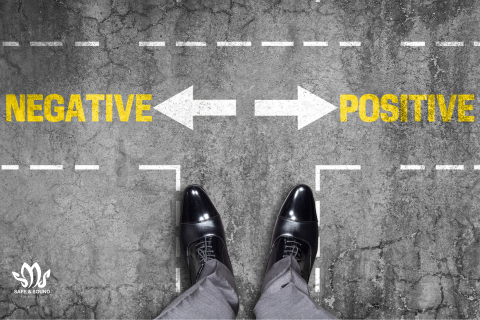
Looking back at failure in a positive light.
Failure is not the end. According to psychologists, instead of feeling discouraged, use it as an opportunity to learn and grow.
- Learn from failure:
Analyze failure scenarios objectively. Don't just focus on the outcome; consider the entire process. What went wrong? Was it due to a lack of information, skills, or external factors?
- Learn how to confront and improve:
Once you understand the cause, create a specific plan to avoid repeating the mistake in the future. For example, if you fail to manage your time effectively, learn how to plan better or use time management tools.
Questions to ask yourself:
What have I learned from this failure?
How can we turn failure into motivation for growth?

3. Prepare yourself mentally for the new year.
3.1 Set specific and realistic goals
Psychologists share that goals are the guiding principle for all your actions. However, to make them achievable and attainable, ensure they are clear, specific, and realistic. Use the SMART method:
- S (Specific): Specific.
- M (Measurable): Measurable.
- A (Achievable): Achievable.
- R (Relevant): Suitable.
- T (Time-bound): Time-limited.
For example: Instead of setting a goal to "Improve my health," set it to "Go to the gym 3 times a week for the first 6 months of the year."
3.2 Develop an action plan
Once you have set your goals, create a detailed plan to achieve them. Break them down into smaller, more manageable steps. For example:
Goal: Read 12 books this year.
- Step 1: Buy a book or download a book reading app.
Step 2: Read for at least 30 minutes each day.
- Step 3: Monitor progress monthly.
3.3 Cultivating an optimistic mindset
Entering the new year with a positive mindset will help you face any challenges, stress, and fatigue. Here are some ways to maintain a positive attitude:
- Practice gratitude: Write down three things you are grateful for each day.
- Health care: Get enough sleep, exercise, and eat a healthy diet.
- Connect with positive people: Surround yourself with people who radiate good energy.
3.4 Relieving stress and pressure
Psychologists advise against letting the pressure of achieving goals rob you of joy. Practice relaxation exercises to reduce stress and fatigue, such as:
- Mindfulness meditation.
- Practice yoga.
- Go for a walk or do things you enjoy.
3.5 Reward yourself
In the journey to achieving your goals, rewarding yourself is not simply an act of self-indulgence, but also carries profound psychological and emotional significance. When you reward yourself, you not only acknowledge your efforts but also create a positive connection with the process of striving, helping to maintain optimism and strong motivation.

Psychologists say that rewards don't have to be grand or expensive. Sometimes, just a relaxing morning, a good book, or a stroll in the park is enough to bring satisfaction and positive emotions.
Safe and Sound Clinic - Psychological Support and Family Health
With a team of experienced doctors and experts, Safe and Sound Clinic is a pioneer in providing comprehensive healthcare for you and your family, offering services that cover both medical and psychological care.
"Early Prevention—Timely Support—Long-Term Companion."
If you suspect or encounter any physical or mental health issues, please contact HOTLINE 0964 778 911 (phone/Zalo, 24/7) for prompt assistance and support!
HOW TO MAKE AN APPOINTMENT
You can schedule an online or in-person consultation with our experts:
- At SnS Clinic - IMT Institute
- Or download and schedule a consultation through the Safe and Sound app to manage and track your appointments anytime, anywhere.
Safe and Sound (SnS)—a part of the Institute of Medical Technology (IMT)

See more:
- 5 ways to take care of yourself and recover from career burnout due to stress.
3 exercises that are good for your mental health that you need to know.
